Plant Care
Why Are My Plant's Leaves Turning Yellow? 7 Causes and How to Fix Each
Yellow leaves on your houseplant? Here are the seven real causes, from overwatering to cold drafts, and exactly how to fix each one — in plain English.
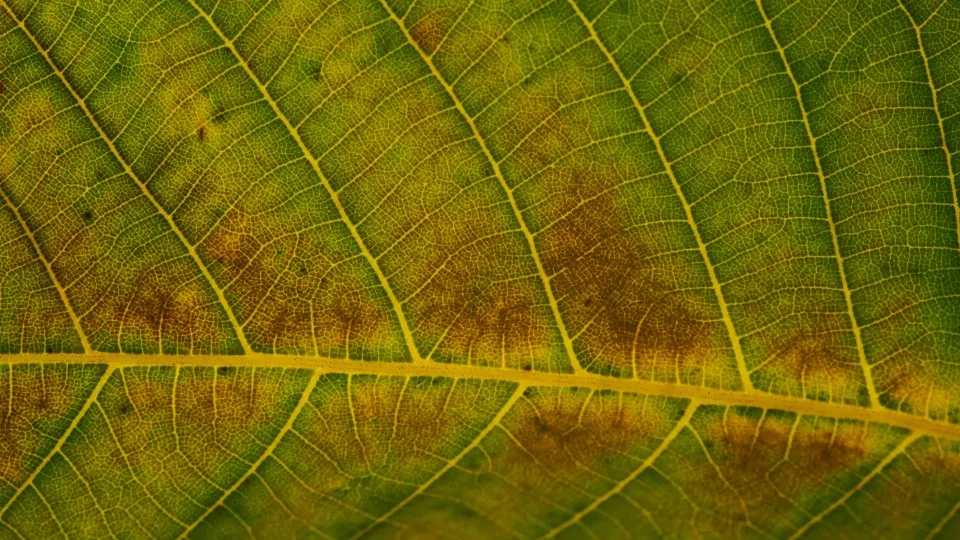
Few things make a new plant parent panic like a yellow leaf. But take a breath: yellowing — the botanical word is chlorosis — is your plant communicating, not dying. It is the most ordinary thing a houseplant does, and nearly every cause behind it is fixable once you know what you are looking at.
Below are the seven real reasons leaves turn yellow, ordered so the likeliest suspects come first, each with exactly how to fix it. Work down the list and you will almost certainly find your culprit.
1. Overwatering
If there is one cause worth ruling out before any other, it is this one. The trouble is that it comes from too much care rather than too little, which makes it the last thing most people suspect.
Roots need air pockets in the soil as much as they need water. Keep the soil saturated and those pockets disappear, the roots effectively suffocate, and a plant with struggling roots cannot move nutrients up into its leaves. The leaves yellow as a result — often turning soft, limp, or slightly translucent rather than dry.
This is not folk wisdom. The Missouri Botanical Garden describes exactly this sequence — waterlogged soil starves roots of oxygen, and the leaves wilt, yellow and drop as a result. Left long enough it becomes root rot proper, which University of Wisconsin Horticulture notes produces yellowing that looks like a nutrient deficiency even though feeding the plant is the worst possible response.
How to tell: the soil stays wet for days on end. Yellowing begins on the lower and inner leaves. The leaves feel soft rather than crispy. There may be a faint musty smell from the soil.
The fix:
- Stop watering and let the soil dry out properly before you touch it again.
- Water only when the top one to two inches are dry. Your finger is a perfectly good instrument for this; a cheap moisture meter just removes the second-guessing.
- Check that the pot has a drainage hole. A pot without one is the single most common way a healthy plant quietly dies. If you love a planter with no hole, keep the plant in its plastic nursery pot and slip that inside.
- If the soil still will not dry within a week or so, repot into fresh, well-draining mix.
Watering is the single skill that fixes the most problems at once. The habit worth building is simple: check the soil with your finger before you water, every time, instead of watering on a fixed day of the week. Our full guide to how to water houseplants walks through the whole routine if you want to get this one thing right.
2. Underwatering
The opposite problem, and the next one to check. Deprived of water, a plant will deliberately sacrifice its oldest leaves to keep the newest ones alive. Those older leaves yellow, then crisp and brown at the edges.
How to tell: the soil is bone dry and may have shrunk away from the sides of the pot. Leaves are dry and papery, not soft. The whole plant may look droopy.
The fix: give it a thorough drink until water runs freely out of the drainage hole. If the soil has gone so dry that water races straight through without soaking in, bottom-water instead: sit the pot in a tray of water for twenty to thirty minutes and let the soil draw it up. Then settle into a consistent rhythm rather than watering only when you remember.
3. Not enough light
Plants build their food from light. Give them too little and they cannot sustain every leaf they are carrying, so the oldest ones yellow and drop while the plant quietly trims itself down to what it can afford. Illinois Extension makes the point that indoor light is far dimmer than it looks to us — our eyes adjust to a room in a way that plants cannot, which is why “it seems bright enough in there” is such a common and such an unreliable judgement.
How to tell: yellowing concentrated on the side facing away from the window. Leggy, stretched-out growth reaching toward the light. New leaves noticeably smaller than the older ones.
The fix: move it closer to a window — bright indirect light suits the majority of common houseplants. If your room is genuinely dim, you have two honest options: a small grow light running a few hours a day, or a plant that does not mind the dark. Our list of low-light indoor plants covers the second route, and is the kinder one if you would rather not add another gadget to the room.
And if you are choosing a plant for a dark room rather than trying to rescue one, start instead with low-light indoor plants that are nearly impossible to kill.
4. Nutrient deficiency
A plant that has sat in the same soil for a year or more may simply have used up what was in it — nitrogen, iron, and magnesium being the usual ones to run short.
How to tell: yellowing between the veins while the veins themselves stay green is the classic signature of an iron or magnesium shortfall. A general pale yellowing across newer leaves, usually alongside sluggish growth, points the same direction.
The fix: feed during the growing season — spring and summer — with a balanced liquid houseplant fertiliser, diluted as directed. More is emphatically not better here; over-feeding burns roots and causes its own browning. If the plant has not been repotted in a year or two, refreshing the soil often solves the problem on its own without any fertiliser at all.
One important order-of-operations note: rule out overwatering before you reach for fertiliser. Because root rot yellowing mimics a nutrient shortfall, feeding a plant whose roots are already drowning makes things worse rather than better.
Simple liquid fertilisers(affiliate link, opens in a new tab)One balanced bottle covers almost every houseplant you own.5. Pests
Sap-sucking insects — spider mites, aphids, mealybugs, scale — drain a plant and leave stippled, speckled, or yellowing leaves behind.
How to tell: look closely, and look at the undersides of leaves, which is where they hide. Fine webbing suggests spider mites. Tiny cottony white clusters suggest mealybugs. Sticky residue on the leaves or the surface below is a giveaway. Sometimes you will simply see specks that move.
The fix: isolate the plant immediately so nothing spreads to its neighbours. Wipe the leaves down, then treat with insecticidal soap or neem oil, repeating weekly until you have gone two treatments without seeing anything.
6. Temperature stress and cold drafts
Most of our houseplants originate in tropical climates and dislike sudden swings. A cold draft, an air-conditioning vent, or a radiator can shock leaves into yellowing.
How to tell: the yellowing shows up on the side facing a window, a vent, or an exterior door — and it appeared shortly after a cold snap or a change in the heating.
The fix: move the plant away from drafty windows, exterior doors, radiators, and vents. Aim for a stable 65–75°F (18–24°C), which is comfortable for you and for most of what you are growing. If it is autumn, expect to water less as the light goes with the warmth — growth slows, and a plant that wanted water weekly in July may want it fortnightly in November.
7. It is just normal ageing
Sometimes a single yellow lower leaf means nothing whatsoever. Plants shed their oldest leaves to redirect energy into new growth, the same way a tree does.
How to tell: just one, or the occasional oldest and lowest leaf, while the rest of the plant looks healthy and is actively pushing out new growth.
The fix: nothing at all. Snip the leaf off if the look bothers you. This is a healthy plant doing precisely what a healthy plant does.
Quick diagnostic table
| What you see | Most likely cause | First move |
|---|---|---|
| Soil soggy, leaves soft | Overwatering (#1) | Stop watering, check drainage |
| Soil dry, leaves crispy | Underwatering (#2) | Deep soak or bottom-water |
| Stretched growth, yellowing away from the window | Too little light (#3) | Move closer, or add a grow light |
| Yellow between green veins | Nutrient deficiency (#4) | Feed, or refresh the soil |
| Speckles, webbing, sticky residue | Pests (#5) | Isolate and treat |
| Yellowing near a vent after a cold snap | Temperature stress (#6) | Move away from drafts |
| One old, low leaf; plant otherwise thriving | Normal ageing (#7) | Do nothing |
Will yellow leaves turn green again?
Usually not. Once a leaf has fully yellowed its chlorophyll is gone, and it will not come back.
That sounds worse than it is. The goal was never to save that leaf — it is to fix the underlying cause so the next leaves come in green. Trim fully yellow leaves off with clean scissors to keep the plant tidy and let it spend its energy forward rather than backward.
If someone you know is stuck in this exact loop, a moisture meter is a genuinely useful small present — our plant gifts on a budget guide has more ideas that solve a problem rather than add one.
Frequently asked questions
Should I cut off yellow leaves?
Yes, once a leaf is mostly or fully yellow. It will not green up again, and removing it lets the plant redirect its energy. Use clean scissors. Leave anything that is only slightly pale, though — it may still be photosynthesising and doing useful work.
My new plant has yellow leaves. Did I do something wrong?
Probably not. A little yellowing after bringing a plant home is common adjustment shock as it adapts to your light, your humidity, and your watering. Keep the care consistent and it usually settles within a couple of weeks.
All of my plant's leaves are yellowing quickly. What now?
Rapid, widespread yellowing usually points to a root problem caused by overwatering — root rot. Gently lift the plant out of its pot and look at the roots. Healthy roots are firm and pale; rotting ones are brown, soft, and may smell. Trim the damaged roots away with clean scissors and repot into fresh, well-draining soil in a pot that has a drainage hole.
Can yellow leaves spread from one plant to another?
Yellowing itself is a symptom, not a contagion, so it does not spread. The causes can, though — pests move between neighbouring plants readily, and a shared watering habit will affect every plant on the same shelf. If several plants yellow at once, look at what they have in common.
Should I repot a plant with yellow leaves?
Not reflexively. Repotting is a stress in itself and it is the right answer for only two of the seven causes above: exhausted soil, and root rot. If the plant is yellowing for light, temperature, pests, or age reasons, repotting adds a problem rather than removing one.
Before you go — grab the cheat sheet
Water, light, and every common fix on one printable page. Free.
No spam, ever. Unsubscribe in one click.
Keep reading
How to Water Houseplants Without Killing Them
Overwatering kills more houseplants than anything else. Here is how to tell when your plant actually needs water, how to water it well, and what to skip.

The Best Pots for Houseplants (and the Gravel Layer You Should Skip)
Terracotta, plastic or glazed ceramic — which pot suits which plant, what size to buy, and why the gravel in the bottom is making drainage worse.

The Best Grow Lights for Houseplants (and How Far Away to Hang Them)
There is no single best grow light — there are three setups for three situations. How to pick, plus the distance and hours that actually make one work.